


Let's talk about Plastic and Micro Plastics...
- naturalbehonest
- Jul 3, 2025
- 3 min read
Updated: Jul 30, 2025

Here's some plastic, there's some plastic, everywhere there's plastic.
We drink out of it, 99% of our food is wrapped in it, we eat out of it, it's in our water, it's in our make-up, our soap, our clothes, and it's even in the air we breathe.
Here is what plastics and micro plastics do to our bodies.
1. Inflammation and Cellular Damage
Microplastics can trigger chronic inflammation when they get trapped in organs or tissues.
Your immune system treats them like invaders, which may cause ongoing stress and tissue damage.
🧠 Real-world evidence: Microplastics have been found in the lungs, bloodstream, placenta, and breast milk.
2. Endocrine Disruption (Hormone Imbalance)
Many plastics contain hormone-disrupting chemicals like phthalates, bisphenols (BPA, BPS), and flame retardants.
These mimic or block estrogen, testosterone, and thyroid hormones.
⚠️ Linked to: fertility problems, early puberty, PCOS, low sperm count, thyroid dysfunction.
3. Increased Risk of Cancer
Some microplastics leach carcinogens (e.g., styrene, benzene, PVC additives).
Long-term inflammation caused by these particles also increases cancer risk — particularly in the gut, liver, and reproductive organs.
🔹 4. Oxidative Stress and DNA Damage
Microplastics can release reactive oxygen species (ROS) in cells.
This leads to DNA damage, mitochondrial dysfunction, and accelerated aging.
🔹 5. Gut Microbiome Disruption
Ingested microplastics can disturb the balance of bacteria in your gut.
This can affect digestion, immunity, and even mental health (via the gut-brain axis).
🦠 Possible links to IBS, leaky gut, food intolerances, anxiety, and depression.
🔹 6. Organ Accumulation and Toxicity
Studies suggest microplastics can accumulate in the liver, kidneys, and brain.
They may block nutrient absorption, interfere with detoxification, and cause tissue scarring.
🔹 7. Neurological Impact (Brain Health)
Certain microplastic chemicals (like BPA, phthalates) can cross the blood-brain barrier.
This may affect neurotransmitters, learning, mood, and development — especially in kids.
🚸 Pregnant women and children are especially vulnerable to neurodevelopmental effects.
Here are some other places micro plastics are:
Plastic packaging and bottled water
Seafood (especially shellfish)
Processed foods
Dust and household air
Cosmetics (microbeads in old exfoliants)
Synthetic clothing fibers (from laundry)
It's time to start the change. These are some of the first things I did in my journey of change.
Get a water filter for your kitchen faucet. I have found that PUR is one of the best ones. It's filters almost everything but fluoride. (We will talk about that another day)

Stop drinking out of plastic anything. Change to glass or stainless steel. We have fallen in love with large Mason Jars. Fill them with filtered water and store in refrigerator. I found some at Family Dollar for a good price and people are always giving them away on Facebook Market Place. If you find some grab them! They can be used for so much!
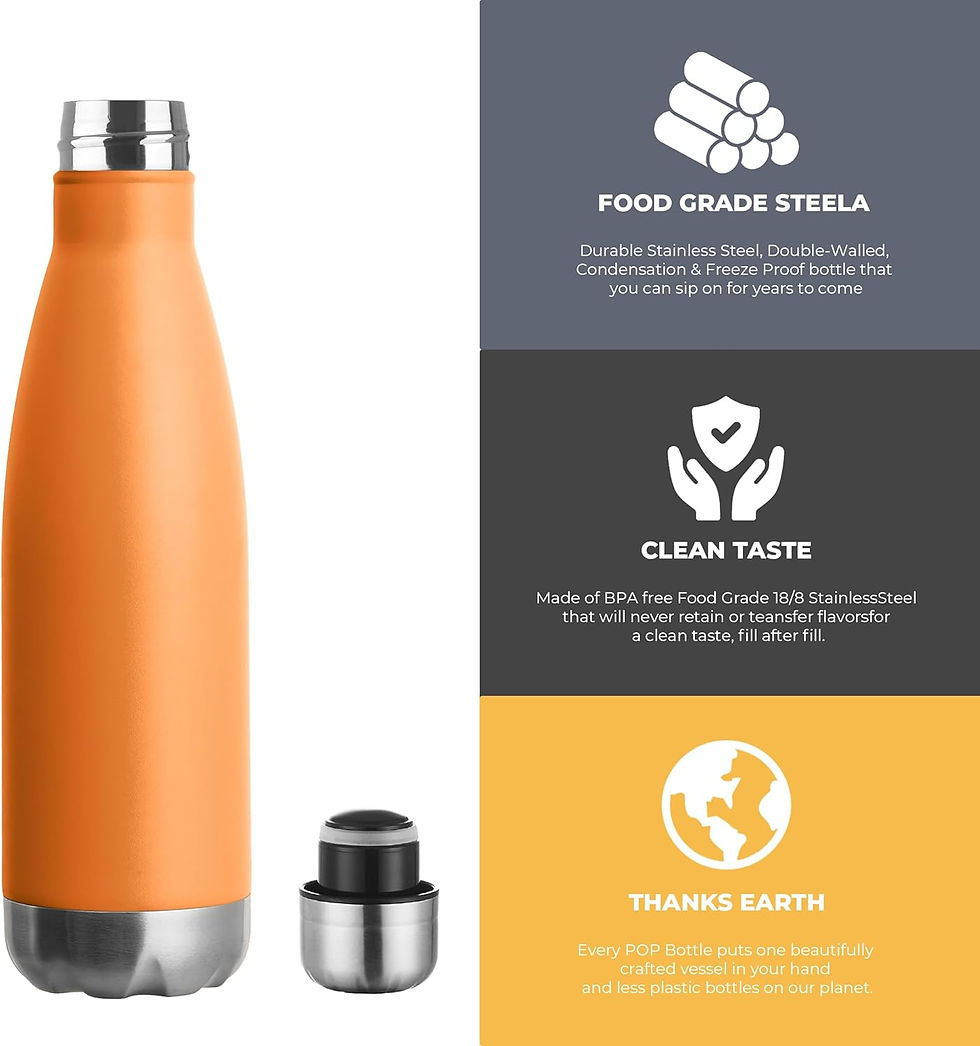
We love these stainless-steel water bottles they keep the water cold for hours even in a hot car.
Throw away all your plastic storage containers. Change to glass here are the ones I love. They keep the food fresher longer and they look nice too. Plus, glass in soooo much easier to clean than plastic.

Take your lunch meat, cheese, bacon, anything that is wrapped in plastic and changed to these containers. Love them!!
Throw away plastic utensils. Get wooden ones, bamboo is preferred.

If you use stainless-steel make sure there is no painted or rubber, make sure it's marked “304” or “18/8 stainless steel” and dishwasher safe so they don't rust.
Throw away your plastic bowls and plates. Get ceramic or glass.
We all have to start somewhere and here are a few things that can change your life and your health.
Comment below and tell me about your journey and where you have started or would like to start.
Stay smart, be safe, and keep learning. Until next time


Comments